
Здорові нігті
Nail fungus isn't just uncomfortable; it also changes how the nail looks which can leave many people feeling embarrassed and distressed. You are not alone.
Nail fungus (onychomycosis) is a common condition where fungi infect the nails, leading to a variety of symptoms. It can affect one or multiple nails and, in some cases, the skin surrounding the nails.
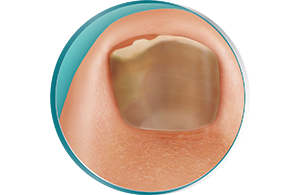
Blackening
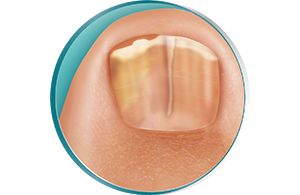
Cracked or brittle
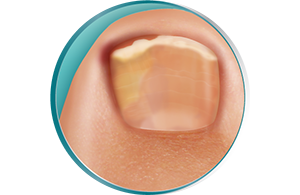
Painful
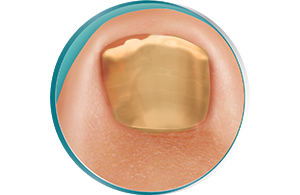
Thickening
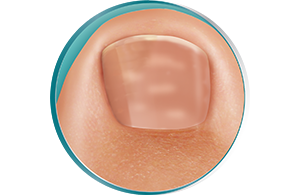
White spots
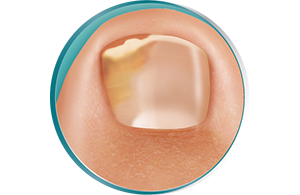
Discolouring
When a fungal infection starts, you might notice a small discoloured spot on your nail that grows over time. The nail can become white, yellow, or brown, turn brittle, break easily, and emit an odour. In severe cases, the nail thickens and may eventually detach from the nail bed.
Expert Nail Advice
Expert podiatrist Dina Gohil BSc (Hons) MRCPod, HCPC Reg, Brand Ambassador for Nailner is passionate about educating people on foot health. Drawing on her extensive experience, she helps people to prevent common foot problems both in clinic, outside, and on her YouTube Channel The Foot Scraper.
Dina is here to provide her expert advice on nail care and how to identify and treat nail fungus quickly and safely.
Hygiene:
- Wash your feet daily with soap and water.
- Dry thoroughly, especially between the toes.
Nail Care:
- Trim your nails regularly with clean, personal nail clippers or scissors, leaving a small white edge.
- Avoid sharing nail tools and tearing off long or split nails.
Footwear:
- Wear moisture-wicking, breathable socks to keep your feet dry.
- Change socks during the day if your feet get sweaty.
- Regularly switch out and air-dry your footwear.
- Avoid sharing socks and shoes with others.
Is nail fungus contagious?
Yes, it is contagious. A nail fungal infection can spread from one nail to another. But typically, it is uncommon to get an infection directly from another person suffering from the condition. Nail infections usually spread by coming into contact with surfaces that contain the toenail fungus. The areas that toenail fungus may spread to include:
- Other toenails
- The skin between your toes (known as athlete's foot)
- Groin area (known as jock itch)
- Scalp
Can nail fungus affect both fingernails and toenails?
Yes, nail fungus can affect both fingernails and toenails. However, it is more common in toenails due to the warm, moist environment created by wearing shoes.
Who can get nail fungus?
A common misconception is that nail fungus only affects those with poor hygiene. In reality, anyone can get a nail fungal infection, especially if they frequently walk barefoot in public places like gyms or swimming pools. Additionally, wearing tight or non-breathable footwear can increase the risk.




або запитуйте Нейлнер в аптеках вашого міста

Центр налаштувань конфіденційності

Центр налаштувань конфіденційності